Mechanical Descaling for Composite Metal Materials: Why Surface Preparation Matters Before Further Processing
When people talk about grinding and polishing lines for metal coil, the conversation usually stops at the finish — No.4 brushing, hairline, Scotch-Brite, or 8K mirror.
When people talk about grinding and polishing lines for metal coil, the conversation usually stops at the finish — No.4 brushing, hairline, Scotch-Brite, or 8K mirror. But there is a less glamorous, equally critical job these lines do upstream: removing oxide scale before further processing. In composite metal material production, that descaling step can decide whether the final product holds together or falls apart.
Oxide scale forms on steel surfaces during hot rolling, annealing, or heat treatment — and it keeps forming slowly whenever bare metal meets air and moisture. It is thin, often just microns, but in composite manufacturing it punches far above its weight. Clad plates, bimetallic strips, and coated coils all depend on a sound bond between layers. Oxide scale sitting at that interface is a built-in defect: it blocks bonding, creates weak spots, and shows up later as delamination, blistering, or inconsistent coating coverage.
A telling example is 3-layer clad steel for cookware — stainless steel skins bonded to an aluminum or copper core. Before those layers can be bonded into one, every mating surface must be clean and uniform. Any residual oxide scale at the interface compromises the bond, and the defect only reveals itself downstream: in forming, in polishing, or in the customer’s kitchen. In this kind of production, descaling is not a cosmetic step — it is one of the process steps that the whole product depends on, and it is performed on abrasive belt grinding machines.
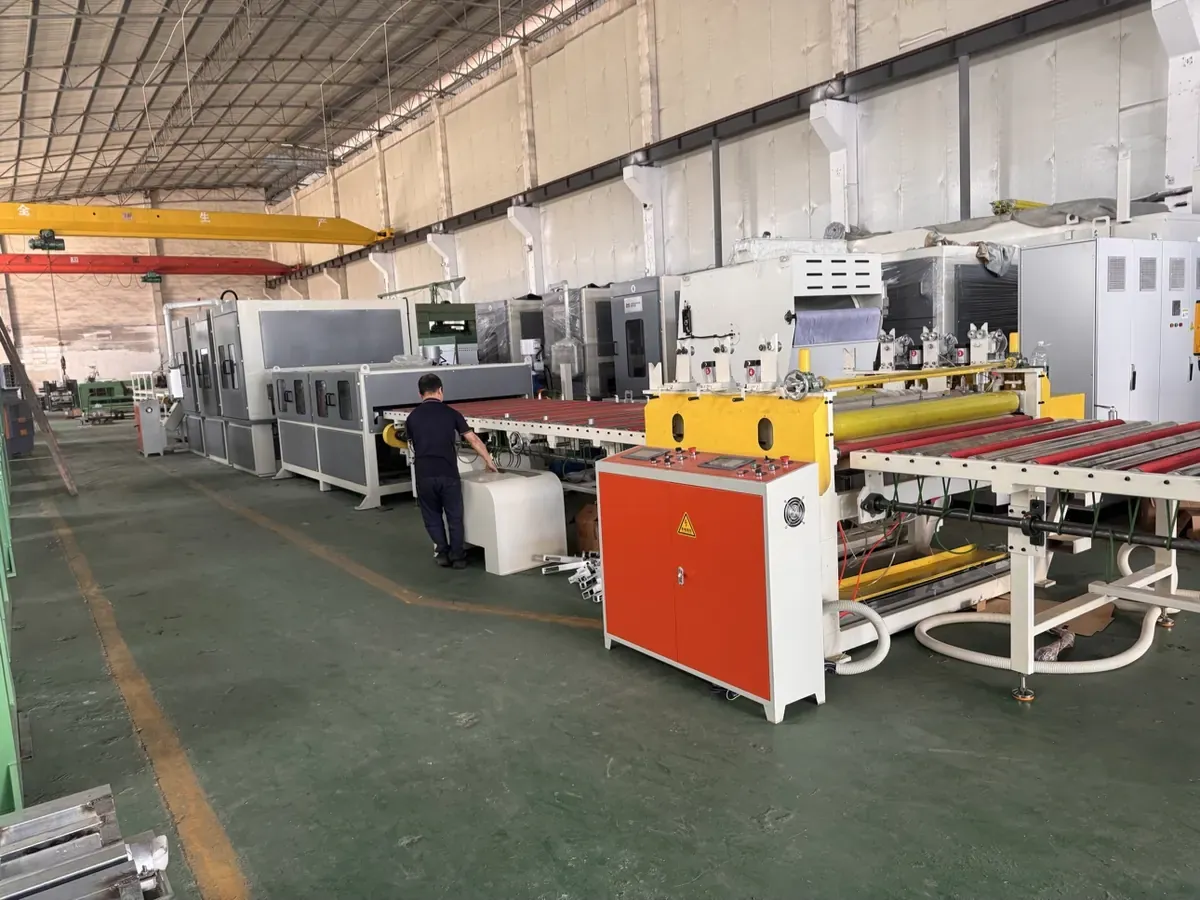
The knock-on effects reach every downstream step. Before roll bonding or lamination, residual scale means uneven adhesion across the strip width. Before coating or plating, it causes pinholes and patchy coverage. In welding zones, entrapped scale leads to inclusions and porosity. And any decorative finish applied over scale — brushing or polishing — will reveal it as streaks, dull patches, or gloss variation. Surface preparation, in other words, sets the ceiling for everything that follows.
For decades, the default answer has been chemical pickling: running the coil through acid baths to dissolve the scale. Pickling is effective, but it carries well-known costs — acid purchase and disposal, wastewater treatment, environmental compliance, and on certain grades, the risk of hydrogen embrittlement. It is also a wet process in what is increasingly a dry line: after pickling, the strip must be rinsed, dried, and often mechanically finished anyway before it is ready for bonding or coating.
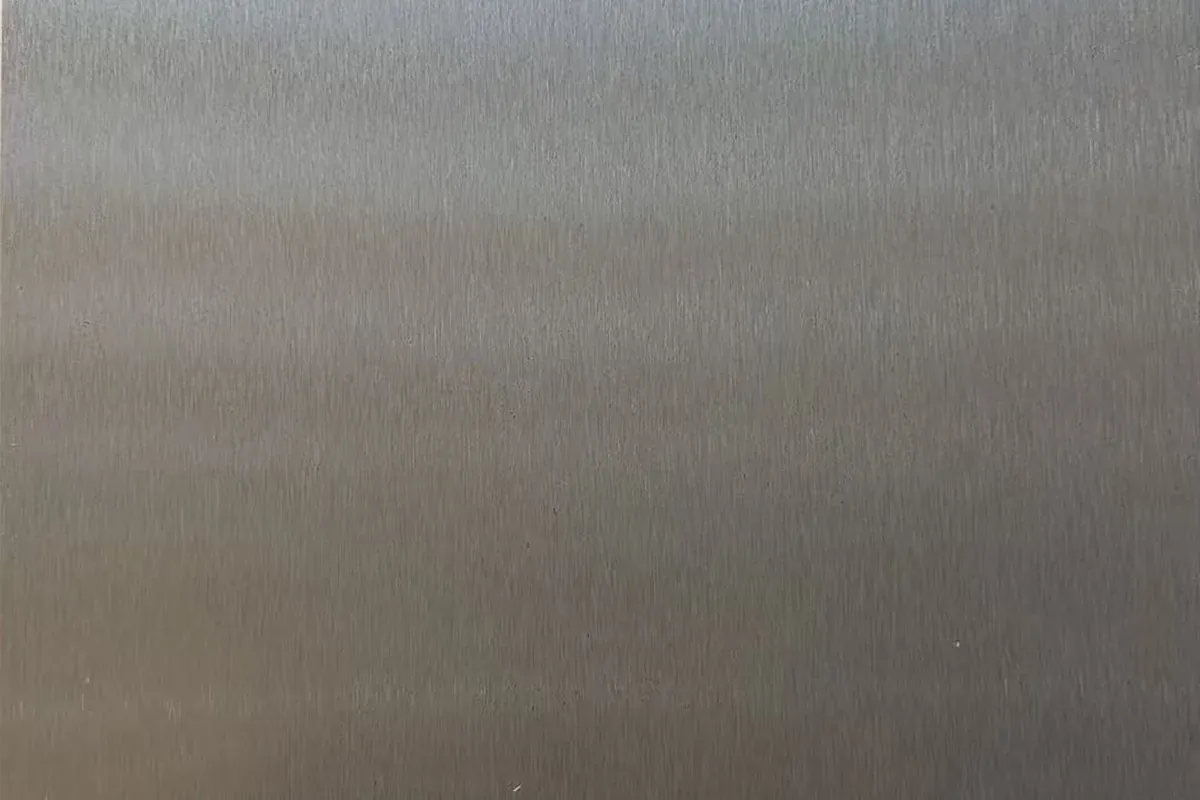
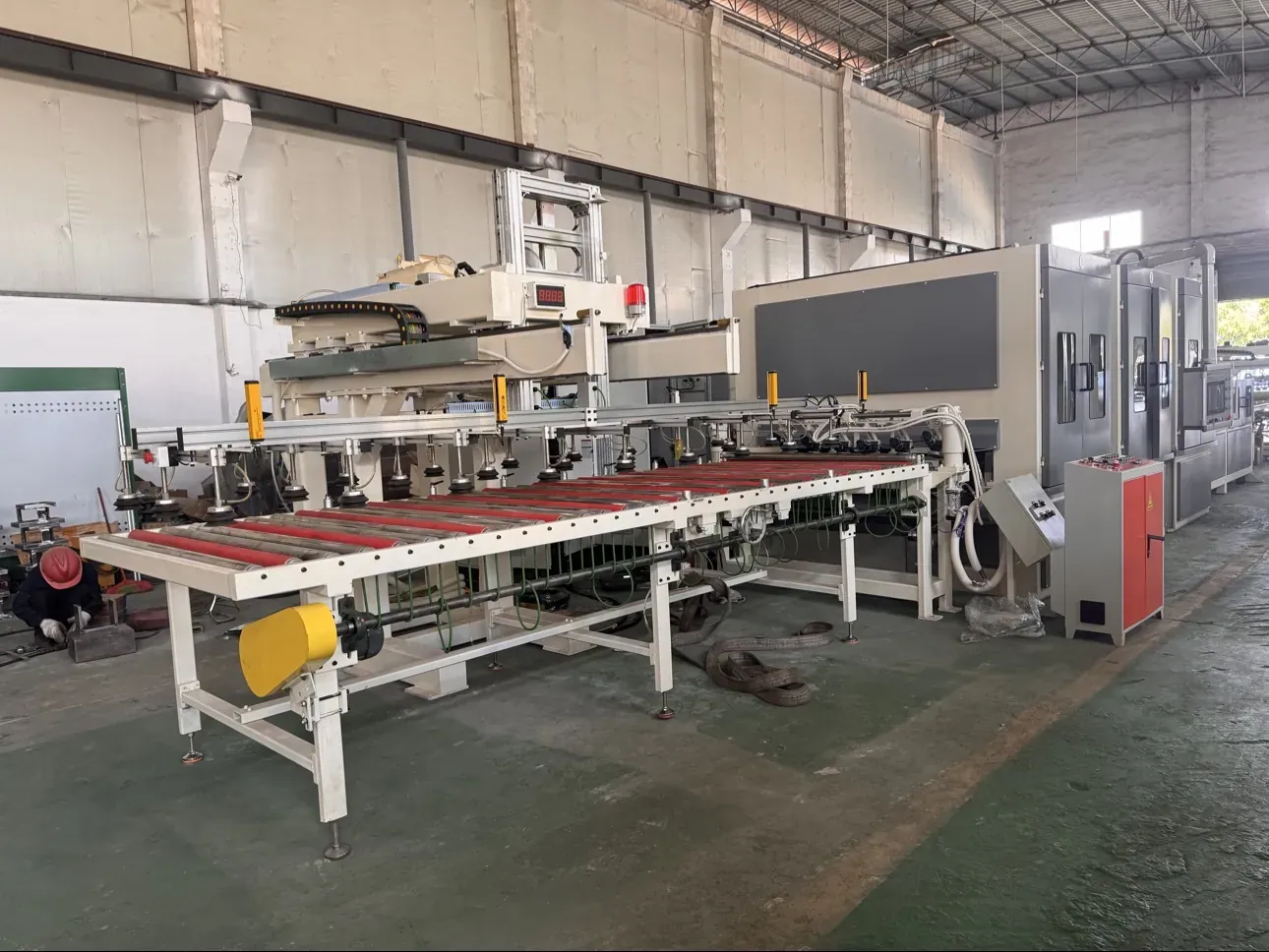
Mechanical descaling with abrasive belt grinding lines offers a dry, inline alternative. As the strip travels through the line, abrasive belts press against the surface under controlled, uniform pressure, stripping the oxide layer and leaving a clean substrate with a consistent, tunable roughness. Grit selection gives process engineers direct control over the surface profile the next step needs — coarser for maximum bond adhesion, finer where a smoother handoff to polishing or coating is required. No chemicals, no effluent, no separate drying stage.
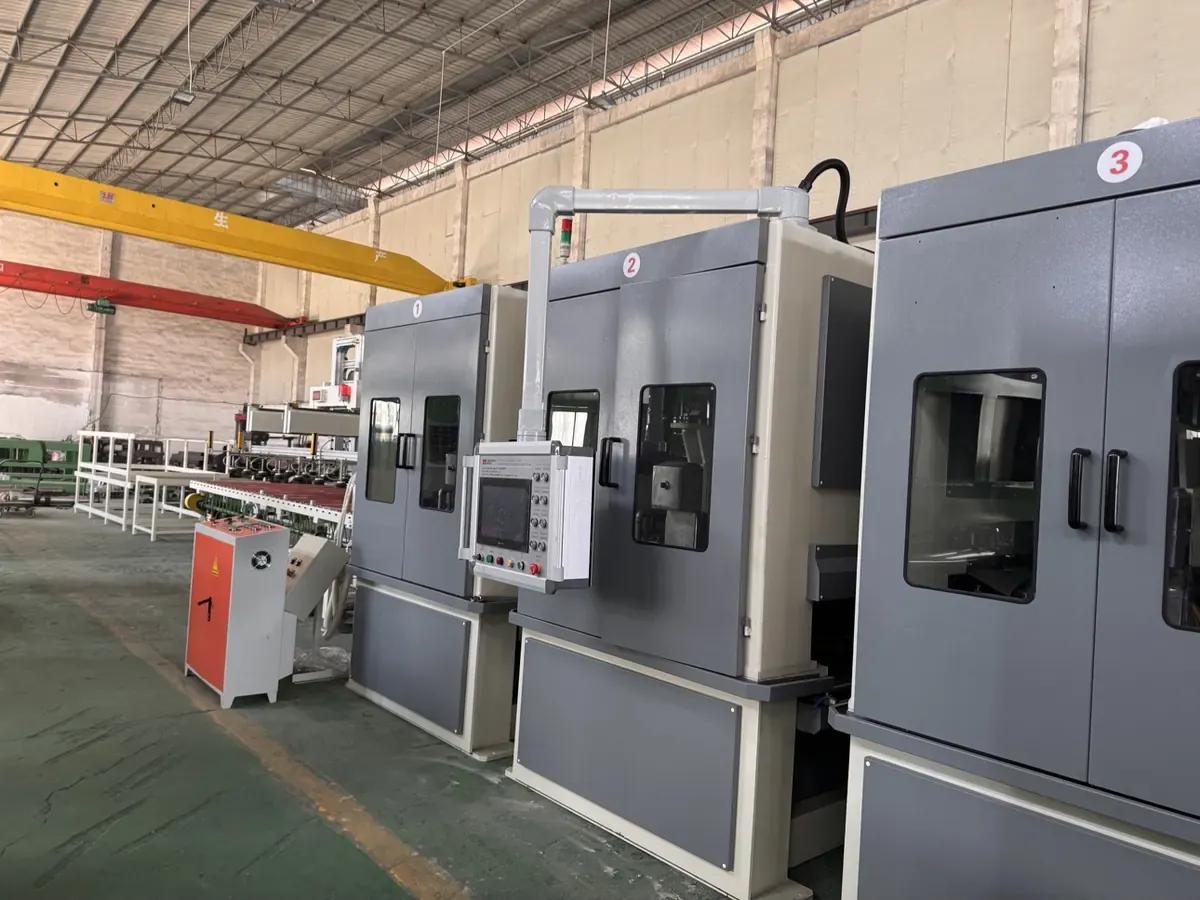
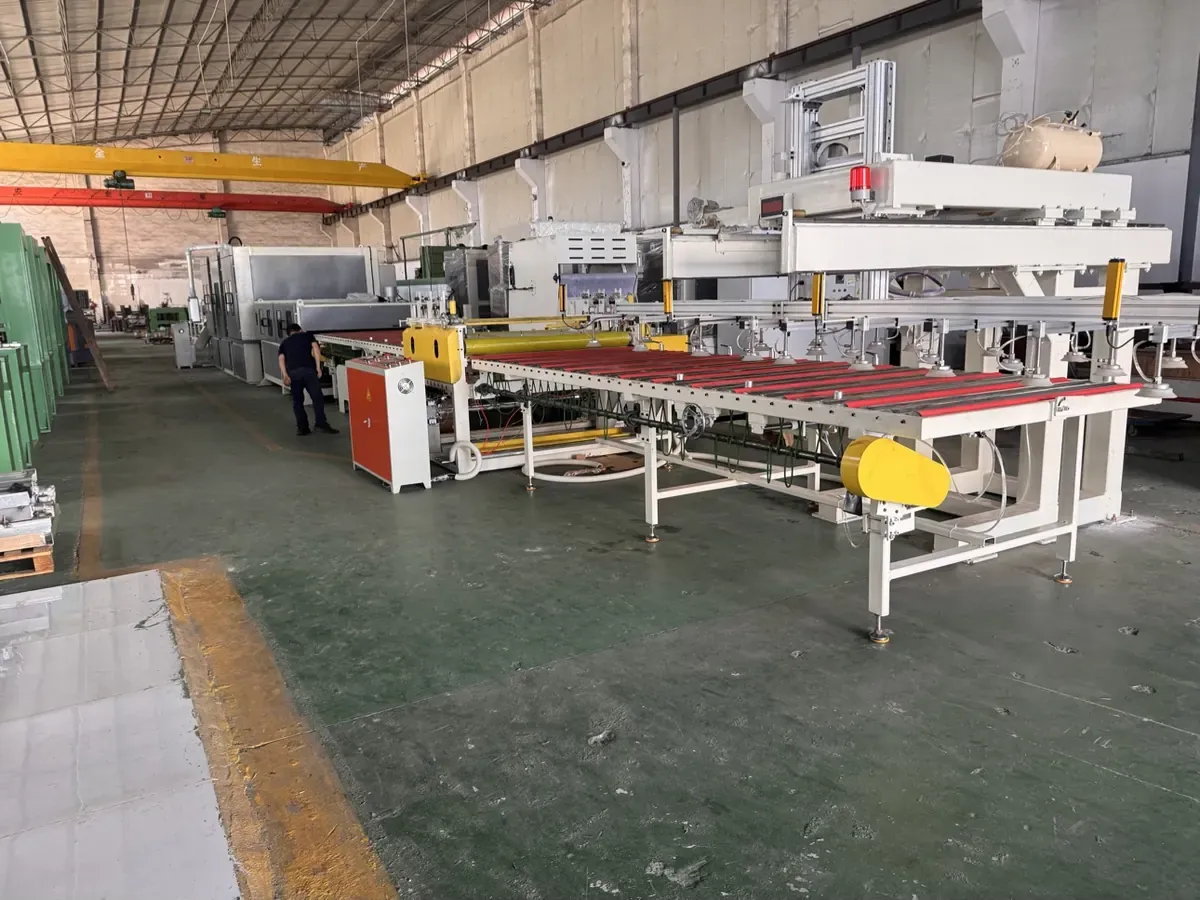
For composite producers, two things make this approach particularly relevant. First, uniformity across the full strip width: any variation in descaling becomes a defect in the bonded or coated product, so consistent pressure distribution on lines handling up to 1600 mm wide coil is not a nice-to-have but a quality requirement. Second, inline integration: placed right after uncoiling and leveling, and before the bonding, lamination, or coating station, mechanical descaling guarantees that every square meter entering the value-adding step starts from the same clean baseline — without the handling damage of a separate offline operation.
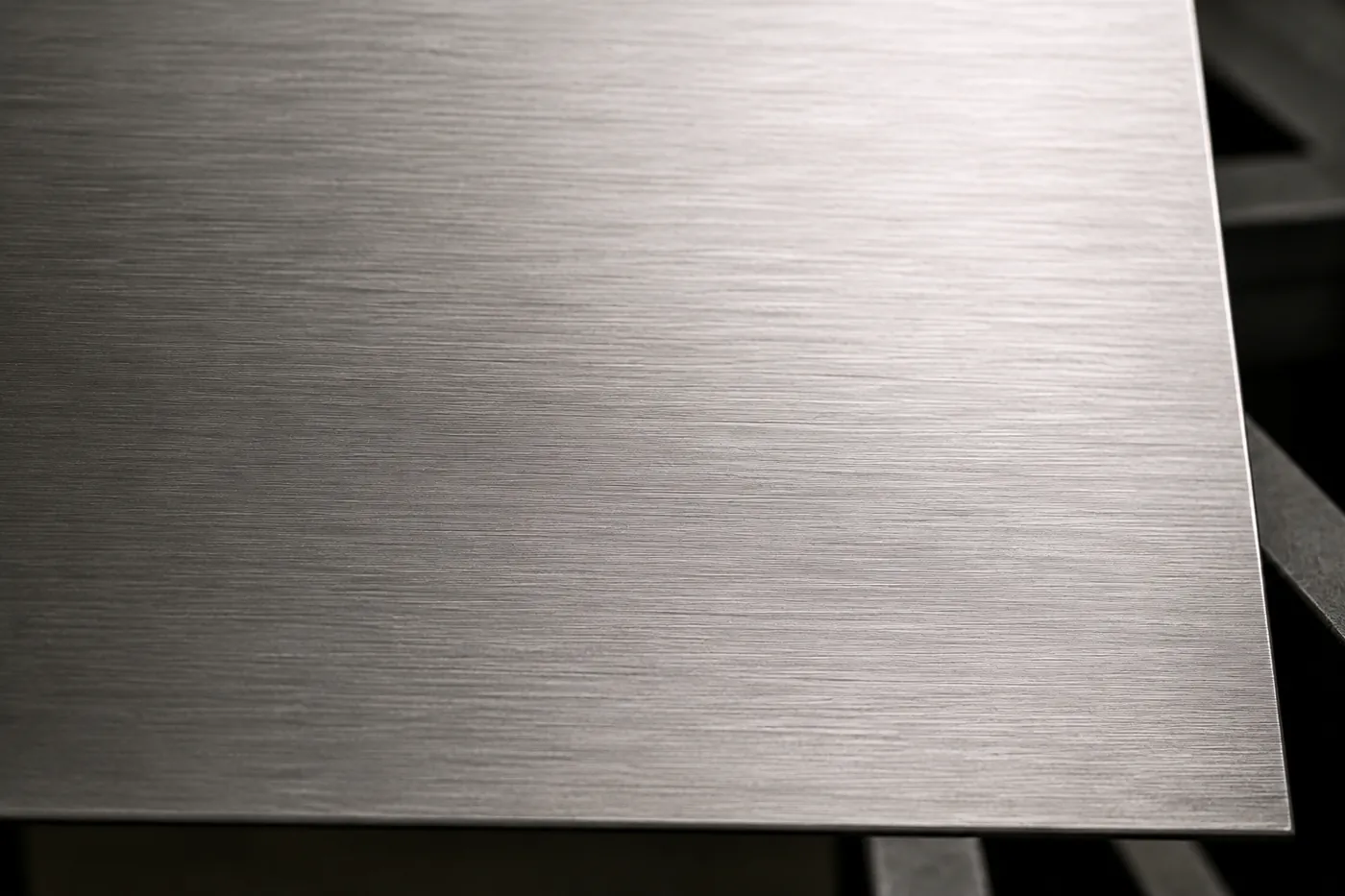
It is worth noting that descaling and finishing are not separate worlds. The same abrasive belt grinding technology that removes scale can, with finer grits and additional grinding heads, take the surface on to a No.4 or hairline finish — which is why many producers now think of their grinding line as a surface preparation platform rather than a single-purpose machine.
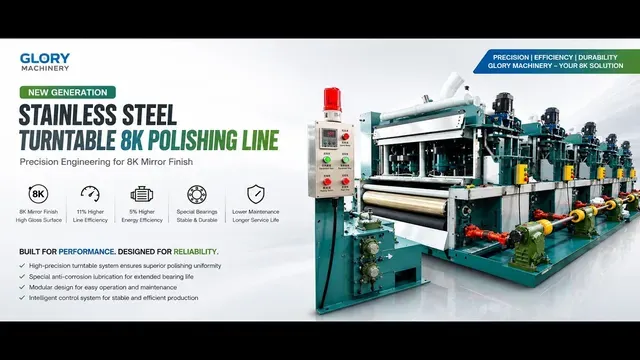
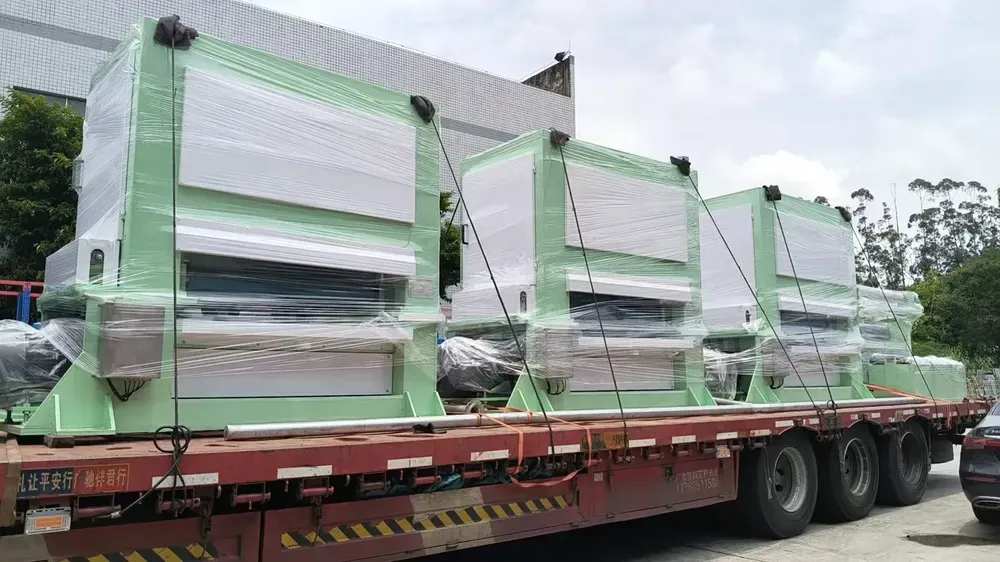
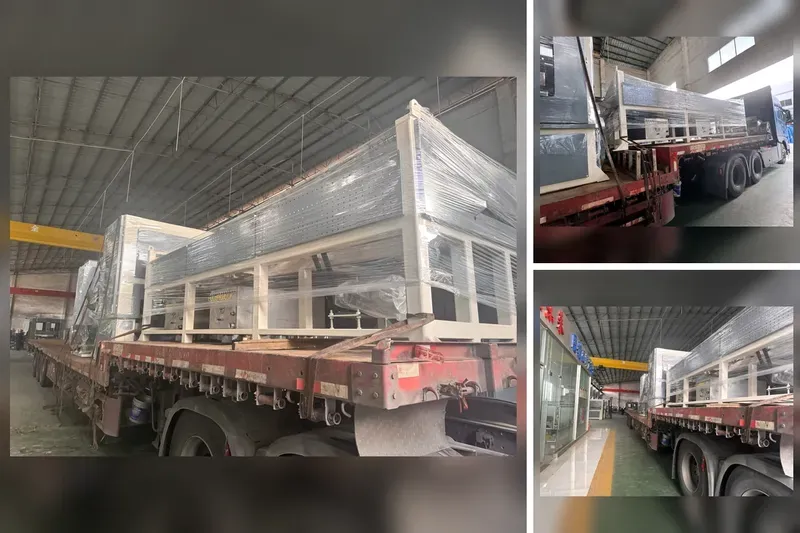
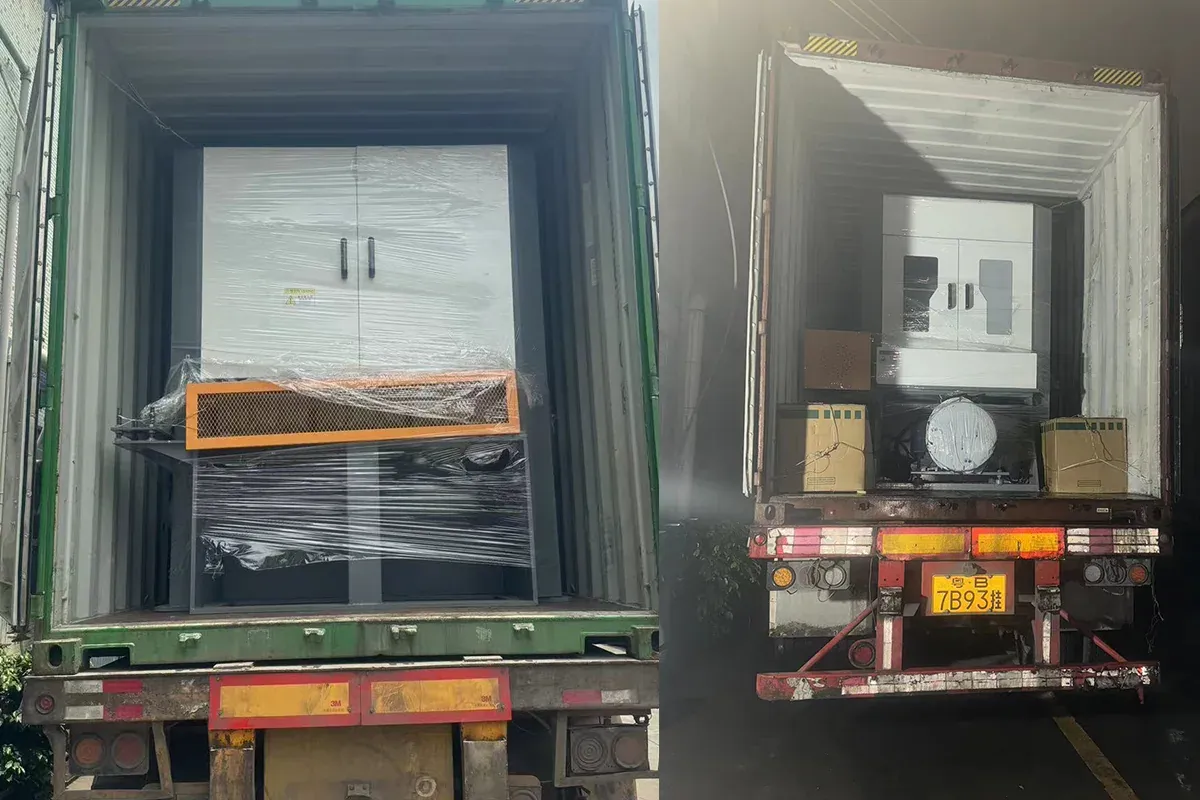
At GLORY MACHINERY, our coil-to-coil abrasive belt grinding and polishing lines are built around exactly this flexibility: uniform oxide removal across wide strip, adjustable surface roughness, and the option to combine descaling with subsequent finishing steps in one continuous line. If oxide scale is the hidden variable in your composite material process, the descaling step deserves the same engineering attention as the bonding or coating step itself.
When people talk about grinding and polishing lines for metal coil, the conversation usually stops at the finish — No.4 brushing, hairline, Scotch-Brite, or 8K mirror. But there is a less glamorous, equally critical job these lines do upstream: removing oxide scale before further processing. In composite metal material production, that descaling step can decide whether the final product holds together or falls apart.
Oxide scale forms on steel surfaces during hot rolling, annealing, or heat treatment — and it keeps forming slowly whenever bare metal meets air and moisture. It is thin, often just microns, but in composite manufacturing it punches far above its weight. Clad plates, bimetallic strips, and coated coils all depend on a sound bond between layers. Oxide scale sitting at that interface is a built-in defect: it blocks bonding, creates weak spots, and shows up later as delamination, blistering, or inconsistent coating coverage.
A telling example is 3-layer clad steel for cookware — stainless steel skins bonded to an aluminum or copper core. Before those layers can be bonded into one, every mating surface must be clean and uniform. Any residual oxide scale at the interface compromises the bond, and the defect only reveals itself downstream: in forming, in polishing, or in the customer’s kitchen. In this kind of production, descaling is not a cosmetic step — it is one of the process steps that the whole product depends on, and it is performed on abrasive belt grinding machines.
The knock-on effects reach every downstream step. Before roll bonding or lamination, residual scale means uneven adhesion across the strip width. Before coating or plating, it causes pinholes and patchy coverage. In welding zones, entrapped scale leads to inclusions and porosity. And any decorative finish applied over scale — brushing or polishing — will reveal it as streaks, dull patches, or gloss variation. Surface preparation, in other words, sets the ceiling for everything that follows.
For decades, the default answer has been chemical pickling: running the coil through acid baths to dissolve the scale. Pickling is effective, but it carries well-known costs — acid purchase and disposal, wastewater treatment, environmental compliance, and on certain grades, the risk of hydrogen embrittlement. It is also a wet process in what is increasingly a dry line: after pickling, the strip must be rinsed, dried, and often mechanically finished anyway before it is ready for bonding or coating.
Mechanical descaling with abrasive belt grinding lines offers a dry, inline alternative. As the strip travels through the line, abrasive belts press against the surface under controlled, uniform pressure, stripping the oxide layer and leaving a clean substrate with a consistent, tunable roughness. Grit selection gives process engineers direct control over the surface profile the next step needs — coarser for maximum bond adhesion, finer where a smoother handoff to polishing or coating is required. No chemicals, no effluent, no separate drying stage.
For composite producers, two things make this approach particularly relevant. First, uniformity across the full strip width: any variation in descaling becomes a defect in the bonded or coated product, so consistent pressure distribution on lines handling up to 1600 mm wide coil is not a nice-to-have but a quality requirement. Second, inline integration: placed right after uncoiling and leveling, and before the bonding, lamination, or coating station, mechanical descaling guarantees that every square meter entering the value-adding step starts from the same clean baseline — without the handling damage of a separate offline operation.
It is worth noting that descaling and finishing are not separate worlds. The same abrasive belt grinding technology that removes scale can, with finer grits and additional grinding heads, take the surface on to a No.4 or hairline finish — which is why many producers now think of their grinding line as a surface preparation platform rather than a single-purpose machine.
At GLORY MACHINERY, our coil-to-coil abrasive belt grinding and polishing lines are built around exactly this flexibility: uniform oxide removal across wide strip, adjustable surface roughness, and the option to combine descaling with subsequent finishing steps in one continuous line. If oxide scale is the hidden variable in your composite material process, the descaling step deserves the same engineering attention as the bonding or coating step itself.